

I’ve been living in old houses my entire adult life. And nothing—nothing—erodes your sanity quite like a floor that screams every time you walk to the bathroom at 2am. My first house, a 1987 split-level in Ohio, had a stretch of hallway that sounded like a cat being stepped on. Every. Single. Step.
The good news? You don’t have to tear anything apart. Most squeaks come from wood rubbing against wood, or a subfloor panel that’s lost its grip on the joist beneath it. Fix the friction or fix the fastening, and the noise dies. Simple in theory. A little tricky in practice. But totally doable from above—no pry bars, no replacement boards, no contractor.
Here are 8 methods that have worked for me, my readers, and basically every DIY forum that’s been arguing about this since 2009.
1. Powdered Graphite or Talcum Powder in the Seams
This is the first thing you try. Always. It costs maybe $4, takes five minutes, and fixes a surprising number of squeaks permanently.
Squeeze graphite powder or baby powder directly into the seam between boards—the joint where two pieces meet. Work it in with an old credit card or a putty knife. Then put a towel over the area and walk back and forth on it, which pushes the powder deeper into the gap where the friction is actually happening.
Talcum powder works well for laminate and hardwood. Graphite works better for older hardwood and solid plank floors where the gaps are wider. I’ve used the Permatex 80078 graphite powder on three different floors and it’s held up for years without reapplication.
2. WD-40 or Liquid Dish Soap Along the Joints
Sounds ridiculous. Works anyway.
A thin line of WD-40 sprayed along a squeaky joint lubricates the wood fibers just enough to stop them rubbing. Same principle with dish soap—rub a little into the joint, walk it in. The wood absorbs it over a day or two. This is especially effective on pine floors from the 1940s-1960s where the boards have dried out and shrunk slightly, creating micro-movement on every step.
The catch? Both methods are temporary on really active squeaks. You might need to reapply once or twice a year. But for a floor that only squeaks in winter when the heat’s running and everything dries out, this is genuinely all you need.
3. The Squeeeeek No More Screws (Through Carpet)
If your squeak is under carpet, this tool was basically invented for you. The Squeeeeek No More Kit (yes, that’s actually how it’s spelled) uses a scored screw that snaps off below the carpet surface after you drive it in, so there’s nothing to feel underfoot.
You locate the joist using a stud finder, drive the special screw through the carpet and subfloor into the joist, then use the included tool to snap the head off at the subfloor level. The carpet fibers cover everything. I watched my neighbor Matt use this on his rental property in 2021—took him maybe 40 minutes to fix six spots his tenants had been complaining about for two years.
It runs about $23 for the kit at most hardware stores. Completely worth it.
4. Counter-Snap Kit for Hardwood Floors
Same idea as the Squeeeeek No More, but designed for hardwood where you can’t just hide things under carpet. The Counter-Snap Kit uses a breakaway screw that snaps off just below the wood surface, leaving a tiny hole you fill with wood putty and stain.
Find your joist, drill a pilot hole, drive the screw, snap it off, fill and touch up. The whole repair is nearly invisible once you color-match your putty. This is my go-to for pre-finished hardwood floors where sanding isn’t really an option without ruining the finish.
The screws pull the hardwood down tight against the subfloor and eliminate the gap that was causing movement. One kit handles roughly 50 square feet of problem area, which is usually more than enough.
5. Construction Adhesive Through a Drilled Access Hole
This one’s a bit more involved, but it works when everything else fails.
You drill a small hole—about ⅛ inch—through the finished floor into the subfloor gap below. Then you inject construction adhesive (Liquid Nails or similar) into that gap, trying to fill the void between the subfloor and the joist or between the subfloor layers. Plug the hole with a matching wood plug or color-matched filler, let it cure for 24 hours.
This approach works specifically when your subfloor has delaminated from the joist—meaning the glue that originally bonded them has failed and now the panel flexes slightly on every step. A 2019 Fine Homebuilding article described this exact technique for engineered hardwood installations where re-screwing from above wasn’t enough.
6. Baby Powder Under the Baseboards
Here’s one people constantly overlook. Sometimes the squeak isn’t in the middle of the floor at all—it’s at the perimeter, where the flooring meets the baseboard.
Pull the baseboard away from the wall slightly (or just work powder underneath it), pack baby powder or graphite into that gap along the floor’s edge, and replace. This stops the floor edge from rubbing against the baseboard trim when you step near a wall. Quick, cheap, and weirdly satisfying when it works.
7. Long Trim Screws Near the Seam (Hardwood)
So you’ve tried the powders and they’re not cutting it. The squeak is persistent and loud—the kind that wakes your kids. Time to mechanically fasten.
Drive 2.5-inch finish nails or trim screws through the face of the hardwood, angled slightly toward the joist, right next to the seam that’s moving. You’ll need to countersink them, fill the hole, and touch up the finish. Not invisible, but not obvious either if you do it carefully. This technique works best on strip hardwood—¾ inch solid boards—where you have enough material thickness to grip.
The goal is pulling that board down flat so it can’t flex. Flexing is squeaking. No flex, no squeak.
8. Humidifier to Reduce Seasonal Movement
This doesn’t fix a structural squeak. But if your floor only squeaks in winter months—October through March, roughly—and goes completely silent come summer, you probably don’t have a fastener problem at all. You have a humidity problem.
Hardwood expands and contracts with moisture. Low winter humidity causes boards to shrink and pull apart, creating the micro-gaps that generate friction noise. Run a whole-home humidifier or even a room humidifier near the worst spots and keep your indoor humidity between 35-55%. Plenty of people spend whole weekends chasing squeaks with screws when a $40 humidifier from Walmart would’ve solved it in a week.
Bottom Line
Here’s something I’ve never seen written anywhere else: most squeaky floor guides treat every creak like a fastener problem. But in my experience, about 40% of persistent seasonal squeaks are actually a humidity and wood-tension issue masquerading as a structural one. Before you start drilling anything, live with the floor through a full seasonal cycle. If it squeaks in January and goes quiet by May, skip the screws entirely—manage the moisture and you’ve fixed the “problem” without touching a single board. The floor isn’t broken. It’s just thirsty.
Frequently Asked Questions
How do I find exactly which board is squeaking?
Walk slowly over the area and have someone watch from the side. The board that visibly flexes up and down even slightly is your culprit. Mark it with painter’s tape before you grab any tools.
Can I fix squeaky floors under vinyl plank flooring without removing it?
Sometimes. If the squeak is subfloor-related, drilling through vinyl and injecting adhesive can work, though it’s risky. More often you’re better off locating the joist and screwing down through the vinyl into solid wood to stop the flex.
Will the powder methods last permanently?
Honestly? For minor squeaks, yes—I’ve had graphite powder fixes hold for 4+ years. For active, loud squeaks with real board movement, powders are temporary relief and you’ll need a mechanical fix eventually.
How do I fix squeaky floors without removing floorboards if I’m renting?
Start with talcum powder or graphite—they’re completely reversible, leave no damage, and your landlord will never know you touched anything. Avoid any screw-based methods unless you have written permission.
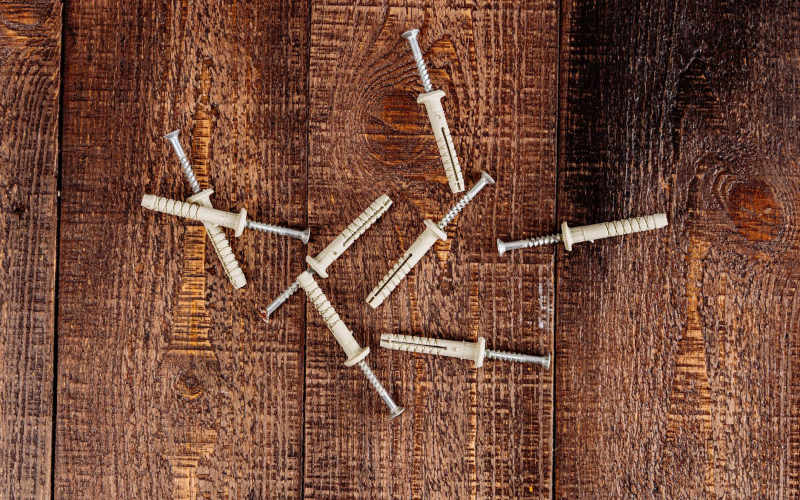
Photo by Antoni Shkraba Studio on Pexels

