
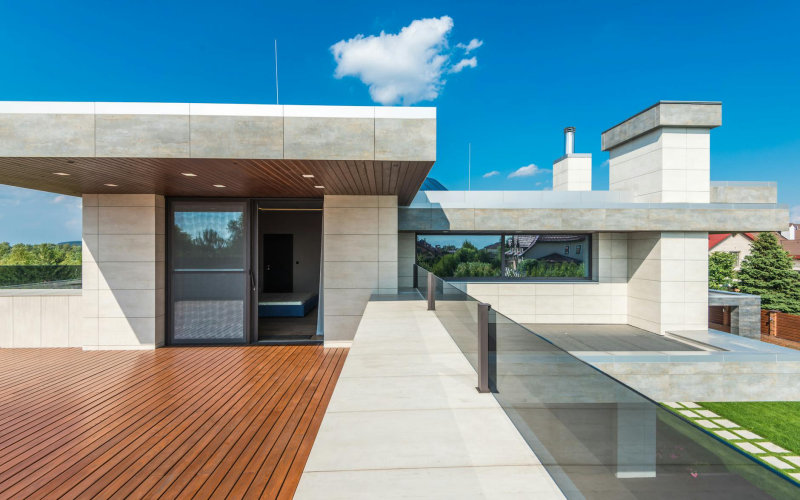

I replaced the siding on my first house back in 2013. Vinyl. It was cheap, the contractor moved fast, and I walked away feeling pretty clever about the whole deal. Seven years later, three panels had cracked. Two corners had gone chalky yellow. A section near the garage was visibly warping from afternoon sun, buckling just enough that you couldn’t ignore it. That “smart” decision handed me a repair bill I absolutely wasn’t ready for.
So when my neighbor asked me last spring — fiber cement or vinyl? — I had opinions. Strong ones.
This isn’t a manufacturer’s brochure. What follows is what actually happens to both materials after years of heat, ice, rain, and honest neglect. Because your siding doesn’t get babied. It sits outside every single day and takes whatever the weather decides to throw.
What Each Material Is Actually Made Of
Vinyl siding is basically PVC plastic. Extruded into panels, sometimes backed with foam, shaped to mimic wood clapboard. It’s light, installs quickly, and runs anywhere from $3 to $8 per square foot installed — depending on your region and the quality tier you’re buying into.
Fiber cement is a different animal entirely. Portland cement, sand, cellulose fibers — most famously assembled by James Hardie, whose HardiePlank has been the category benchmark since the early 1990s. It’s heavier, genuinely harder to cut, and costs roughly $10 to $18 per square foot installed. Sometimes more.
That price gap is where most homeowners stop reading. Don’t.
The 10-Year Durability Picture — What the Numbers Actually Say
James Hardie warranties their fiber cement products for 30 years. Most vinyl manufacturers offer lifetime warranties, which sounds impressive until you actually read the fine print — the parts about pro-rated coverage and the exclusions quietly burying discoloration claims.
What matters more than warranty language is independent research. A 2021 study from the Portland Cement Association found that fiber cement retained over 95% of its structural integrity after 15 years of exposure testing, including freeze-thaw cycling, UV bombardment, and moisture infiltration simulations. That’s a meaningful number.
Vinyl starts degrading from UV exposure much earlier. Standard vinyl can begin oxidizing and fading within 5 to 7 years in high-sun climates — Arizona, Texas, or even south-facing walls in Ohio. Premium vinyl with UV inhibitors buys you more time. But it still turns brittle at temperature extremes, and no inhibitor changes that physics.
How They Handle Impact, Moisture, and Temperature Swings
Vinyl is genuinely vulnerable to impact when it’s cold. Below roughly 20°F, PVC loses flexibility, and a hard knock — rock from a lawn mower, hailstone, stray baseball — can crack it clean through. I’ve seen this happen. It looks terrible, and the panel almost always needs full replacement rather than any kind of patch.
Fiber cement doesn’t crack on impact anywhere near as easily. Severe hail (golf-ball-sized, the kind that dents truck hoods) can cause denting, but routine impact damage is nearly unheard of. The material is also completely non-combustible, which is worth real attention if you’re in a wildfire-prone area or dealing with strict local fire codes.
Moisture is where things get interesting for vinyl. Because it doesn’t absorb water, it won’t rot — and that’s genuinely useful. But if water gets behind the panels (sloppy installation, failed caulking, it happens), it has nowhere to go. It just sits against your sheathing for months. Fiber cement handles surface moisture better, though it does require proper painting and sealing at cut edges to prevent absorption.
Maintenance Reality Over a Decade
Vinyl’s core sales pitch is “no maintenance.” And honestly? That’s mostly accurate. Hose it down occasionally, caulk a seam every few years. That’s about the full commitment.
Fiber cement needs repainting. Typically every 10 to 15 years, though James Hardie’s factory-primed ColorPlus products can stretch that out. Budget $3,000 to $8,000 for a full exterior repaint on an average home. That’s a real cost — don’t let anyone wave it away.
But here’s the flip side nobody mentions: when vinyl fades or discolors, you can’t just paint over it and call it done. The surface doesn’t hold paint well without specific primers, and even then results are inconsistent at best. With fiber cement, repainting is a genuine reset. Your house can look new again at year 15. Vinyl just keeps aging, and there’s no reversing it.
Curb Appeal and Resale Value After Years of Weathering
This part surprises people. Aged fiber cement and aged vinyl don’t look the same, and buyers notice more than sellers expect.
A 2022 survey by the National Association of Realtors found fiber cement siding replacement had a cost recovery rate of approximately 69% at resale. Vinyl came in around 63%. Those numbers shift by market, but the directional gap is consistent across most regions.
Aesthetically, fiber cement holds its visual texture and profile better over time. Vinyl develops a chalky, faintly melted look in hot climates — subtle at first, but by year 10 or 12 it reads as “old house” to a prospective buyer, even when nothing is technically broken. It’s a vibe thing, and vibes move real estate.
Regional Climate: It Matters More Than You Think
Your climate should honestly drive this decision more than the price tag does.
Coastal? Fiber cement handles salt air and sustained humidity far better than vinyl over the long run. Northern freeze-thaw zones? Vinyl’s cold-weather brittleness is a genuine liability, not a theoretical one. Hot, sun-intense climates? Both materials degrade, but vinyl fades visibly faster. In mild, temperate regions — Pacific Northwest, parts of the mid-Atlantic — vinyl performs admirably and the cost savings are genuinely hard to argue against.
So there’s no universal answer here. But there’s usually a right answer for your specific address.
Bottom Line
Here’s something I haven’t seen said plainly anywhere: the durability gap between fiber cement and vinyl isn’t really about which material breaks first. It’s about which one ages gracefully. Vinyl fails cosmetically before it fails structurally — it looks worn long before it stops protecting your house. Fiber cement does the opposite. It might need a paint job, but it still looks intentional, like a material that was always supposed to be there.
If you’re planning to sell within 7 years and you’re in a temperate climate, quality vinyl is a genuinely reasonable call. But if this is your long-term home — especially somewhere with weather extremes — the extra investment in fiber cement pays back in ways that don’t show up cleanly in a cost-per-square-foot comparison. Your future self, standing outside with a realtor or just pulling into your own driveway, will know the difference.
Frequently Asked Questions
How long does vinyl siding actually last before it needs replacing?
Quality vinyl siding typically lasts 20 to 30 years before requiring full replacement, though cosmetic degradation — fading, chalking — often starts around year 7 to 10 in high-UV or high-temperature climates. Cheap vinyl can start showing problems even sooner than that.
Is fiber cement siding worth the extra cost?
For most homeowners planning to stay put long-term, yes. The higher upfront cost — often $5 to $10 more per square foot installed — is partially offset by longer lifespan, better resale performance, and the ability to repaint rather than replace when the exterior needs refreshing.
Can you paint over old vinyl siding instead of replacing it?
You can, but it’s not straightforward. Vinyl needs thorough cleaning, a bonding primer rated specifically for PVC surfaces, and 100% acrylic paint. Results vary, and none of that fixes warping or cracking. If your vinyl is already structurally compromised, paint is a cosmetic bandage — not a fix.
Which siding holds up better in extreme cold climates?
Fiber cement, and it’s not particularly close. Vinyl becomes brittle below freezing and is more susceptible to cracking from physical impact and thermal expansion cycles. Fiber cement maintains its integrity far better through repeated freeze-thaw events, which is exactly why it dominates in northern markets.
Photo by Max Vakhtbovych on Pexels

