
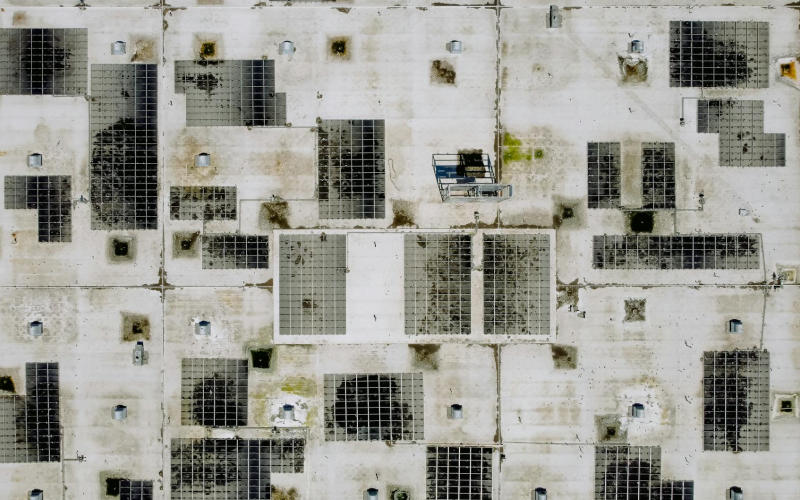

I’ve talked to a lot of homeowners over the years. And the ones carrying the most regret? Almost never the people who overpaid for a couch or picked the wrong paint color. It’s the ones who skipped — or half-heartedly muddled through — a roof inspection before closing.
The roof is the single most expensive system on a home’s exterior. Full stop. And yet buyers wave it off constantly, either trusting a general inspector’s 10-minute visual scan or assuming the sellers would’ve said something if there were a real problem. Both assumptions will cost you. Badly.
This isn’t theoretical. According to the National Roofing Contractors Association, a full roof replacement in 2024 averaged between $9,000 and $14,000 for a typical single-family home — and that’s a straightforward asphalt shingle job. Complex materials or structural damage? You’re looking at $20,000 or more, easy. So yeah. Worth inspecting.
Why General Home Inspections Aren’t Enough
Here’s what most buyers don’t realize: a standard home inspector is a generalist. They cover everything — electrical, plumbing, HVAC, foundation — but they specialize in nothing. Roof assessment is often a 10-15 minute visual check from the ground, maybe from a ladder. That’s the whole thing.
A dedicated roofing inspector actually walks the surface. They check flashing around chimneys and skylights, probe for soft spots, inspect valleys and ridgelines, and get into the attic looking for moisture damage and ventilation issues. Details a generalist simply doesn’t have the time for — and honestly, isn’t trained to catch.
The gap between what a home inspector flags and what a roofing specialist finds can be genuinely jaw-dropping. I’ve heard from readers who got a “clean” home inspection report, then had a roofing contractor tell them they had maybe 18 months left on their shingles. That’s not a small miss. That’s a near-miss disaster.
The “It Looks Fine From the Street” Trap
So many buyers do a drive-by assessment. Shingles look uniform, no obvious sagging, seller’s disclosure mentions nothing about leaks. Good enough, right? Wrong.
The most expensive roof problems are invisible from the curb. Granule loss on asphalt shingles — that gritty coating protecting against UV and weather — wears away from the top down. The surface looks intact while the shingles underneath have gone brittle and compromised. You won’t catch that from a car window. You won’t even see it from a ladder unless you know exactly what you’re looking for.
Flashing failures are another quiet killer. The metal strips around chimneys, vents, and skylights expand and contract with every temperature swing until the sealant eventually cracks. Water gets in. It travels down into insulation and framing. By the time a water stain appears on your ceiling, the structural damage is already done. A 2022 study by the Insurance Information Institute found that water damage and freezing account for nearly 24% of all homeowner insurance claims. A huge chunk of that starts at compromised roof flashing.
Age Matters More Than Appearance
Roofing materials have lifespans. Hard limits. Architectural asphalt shingles typically last 25-30 years under normal conditions. Basic 3-tab shingles? Maybe 15-20 years. Wood shake runs 20-25 years. Metal can go 40-70 years depending on the type.
But here’s what sellers won’t volunteer: a 22-year-old asphalt roof that “looks fine” is still a 22-year-old roof. You could be 3-8 years away from a full replacement. Factor that into your purchase price negotiation or your savings plan — because if you don’t know the age going in, you’re flying completely blind.
Ask for the permit history. Ask for contractor receipts. Most municipalities require a permit for full roof replacements, and those records are public. A roofing inspector can also estimate age from shingle wear patterns, granule accumulation in gutters, and the condition of underlayment visible at the eaves. This stuff is findable. But only if you actually look for it.
The Attic Is Part of the Roof System
People forget this constantly. The attic isn’t just dead storage space — it’s an active part of your roof’s performance. Poor attic ventilation traps heat, which literally cooks shingles from below and dramatically shortens their lifespan. Inadequate insulation causes ice dams in colder climates (those gorgeous icicles hanging off eaves in winter? a warning sign of significant heat loss and potential water intrusion).
I’ve written before about a homeowner in Minnesota who bought a house in August 2021. Nice summer day, roof looked solid, nothing visibly wrong. First winter, ice dams formed, water backed up under the shingles, and by March she had water pouring into two upstairs bedrooms. Total repair cost: just over $11,000. A proper pre-purchase attic check — specifically for air sealing and insulation — likely would’ve surfaced that problem before she ever signed.
Don’t let your inspector skip the attic. Non-negotiable.
Negotiation Leverage You’re Throwing Away
Here’s something the real estate world consistently underemphasizes: a roof inspection isn’t only about finding problems. It’s about creating documented leverage. A solid written report from a licensed roofing contractor gives you concrete grounds to request a price reduction, seller credits, or a repair escrow before closing.
Without that report, you’re negotiating blind. Sellers and their agents are practiced at brushing off vague concerns — “oh, the roof’s been fine for years” is not a data point. But a report saying the roof has 3-5 years of estimated remaining life, with photographs of granule loss and compromised flashing? That’s a data point. That’s something your real estate attorney can actually use.
In competitive markets, buyers sometimes skip inspections to make their offers look cleaner. I get it. But skipping the roof inspection specifically is a disproportionate gamble. You’re risking $10,000-$20,000 to save $400 and appear like a committed buyer.
What a Good Roof Inspection Actually Covers
A proper roof inspection should run you $150-$400 depending on your region and roof complexity. For that, you should get a written report covering shingle condition and remaining life estimate, flashing integrity, gutter attachment and drainage, soffit and fascia condition, ridge cap and ventilation assessment, and attic moisture and insulation observations.
Make sure the inspector is an actual roofing contractor or certified roof inspector — not a general home inspector checking a box. The Roofing Contractors Association and NRCA both maintain certification databases. Use them. A $300 inspection that surfaces $12,000 in needed repairs is the best money you’ll spend in this entire process.
Bottom Line
Here’s my honest take, and I rarely see it said this plainly anywhere: the real cost of skipping a roof inspection before buying a house isn’t just the repair bill. It’s the compounding effect. You move in stretched thin from closing costs, new furniture, and all the other surprise expenses of ownership — and then the roof hits you. At that point, you don’t just have a money problem. You have a confidence problem. You start second-guessing every other decision you made about the house. That doubt is corrosive, and it poisons what should be one of the best purchases of your life.
A $300 inspection doesn’t just protect your wallet. It protects your peace of mind. And frankly, that might be the more valuable thing.
Frequently Asked Questions
How much does a dedicated roof inspection cost before buying a house?
Most roof inspections from a licensed roofing contractor run between $150 and $400. Larger or more complex roofs — multiple pitches, slate or tile materials, significant square footage — will push toward the higher end. It’s a small price relative to what you’re actually buying.
Can’t I just rely on the general home inspection?
You can, but you shouldn’t — at least not as your only roof assessment. General home inspectors provide valuable overall evaluations, but they’re not roofing specialists. For a purchase this large, getting a dedicated roofing contractor to do a separate inspection is genuinely worth the extra cost and time.
What are the biggest roof inspection before buying a house mistakes buyers make?
The most common ones: trusting curb-appeal appearances, leaning solely on a general home inspector, failing to check the age of the roof and its materials, skipping the attic assessment, and not using inspection findings as negotiation leverage. Any single one of these can produce a very expensive surprise.
Should I still get a roof inspection if the seller claims it was recently replaced?
Yes. Always. Get the permit documentation and contractor receipts to verify the claim. Even a recently replaced roof can have installation problems — improper flashing, wrong underlayment, poor ventilation setup — that cause early failure. Verify everything independently before you close.
Photo by Harrison Haines on Pexels

