
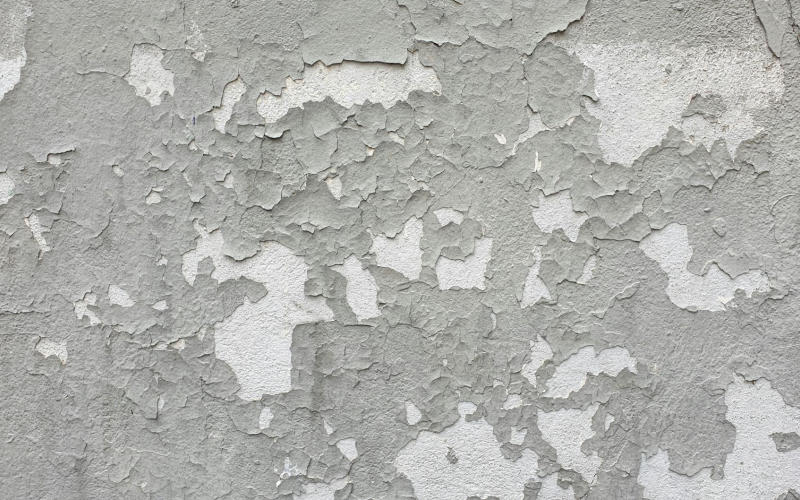

I’ve watched people repaint the same wall three times in two years. Same wall. Same problem. And every single time, they blamed the paint brand.
It wasn’t the paint.
Here’s the brutal truth: peeling interior paint almost always fails before you ever crack open the can. The prep work—tedious, unglamorous, takes twice as long as actually painting—that’s where 90% of DIY jobs quietly die. Most YouTube tutorials spend maybe four minutes on it before cutting to the satisfying roller footage.
So let me tell you what they skip.
You Probably Painted Over a Surface That Wasn’t Actually Clean
Sounds obvious. It isn’t.
“Clean” to most people means “looks fine.” But walls collect invisible grease, especially in kitchens and hallways where hands touch constantly. A 2019 study from the Paint Quality Institute found surface contamination was the number one cause of adhesion failure in residential interior repaints—ahead of moisture, ahead of product incompatibility, ahead of everything else.
Soap and water don’t cut kitchen grease reliably. You need a real degreaser—TSP (trisodium phosphate) or a TSP substitute. I use Dirtex powder, mixed about 2 tablespoons per gallon, and I wipe down every wall before doing anything else. Not just the kitchen ones. Every wall.
And it has to dry completely. Not “feels dry.” Bone dry. At least 24 hours in a ventilated room before primer touches it.
Skipping Primer Is the Single Biggest Mistake
People treat primer like an optional upsell. It absolutely isn’t.
Paint and primer in one? Marketing. Real primer seals porous surfaces, bonds to substrates that topcoats won’t grab, and creates a chemically uniform base. Benjamin Moore’s Freshstart and Zinsser’s Bulls Eye 1-2-3 exist for a reason—and that reason is adhesion, not tradition.
Here’s where it gets specific. If you’re painting over flat or matte paint that’s more than 5 years old, you need a bonding primer first. Flat paint develops a powdery surface layer called “chalking” over time. Rolling fresh paint directly onto that chalky surface is basically painting onto talcum powder. It peels within months. Sometimes weeks.
Sand lightly with 120-grit before priming. Wipe the dust. Prime. Then paint.
Moisture Is Hiding Inside Your Walls Right Now
Peeling near windows? Near exterior walls? Along the ceiling line in a bathroom you can’t properly ventilate?
That’s moisture vapor pushing outward. Paint peels when moisture pressure from behind the surface exceeds the adhesion strength of the paint film—and this happens constantly in homes without adequate vapor barriers or ventilation.
A cheap pin-type moisture meter (the Calculated Industries 7440 runs about $35 on Amazon) will tell you if your drywall is holding more than 12-14% moisture content, which is the threshold where paint adhesion becomes genuinely unreliable. I picked one up in 2021 after a bathroom ceiling repaint failed twice. It changed how I approach every job now.
Fix the moisture source first. Always. Paint is not waterproofing.
Old Paint Layers Are a Structural Problem Nobody Talks About
Some walls have been painted 8, 10, 12 times. Each layer adds weight and brittleness to the whole system. At some point the entire stack loses its grip on the original substrate—and when it goes, it takes your new paint straight with it.
Seeing large sheets of paint lifting rather than small bubbles? That’s likely your problem. And the fix is stripping, not repainting. Nobody wants to hear that. But painting over a failing stack just delays the same failure by 12-18 months.
Citristrip works well as a non-caustic option for small areas. For bigger jobs, a heat gun and wide floor scraper move faster. Either way, you’re getting back to raw drywall or plaster before you prime.
Temperature and Humidity During Application Matter More Than the Brand You Buy
Most interior latex paint needs to go on between 50°F and 85°F with humidity below 85%. Those aren’t suggestions—they’re the conditions under which the paint film actually forms correctly as it dries.
Painting in a cold garage in November? The latex won’t cure right. It’ll look fine for a few weeks. Then it starts peeling, especially near edges and corners where film thickness is already uneven.
Sherwin-Williams Duration—one of the most popular premium interior paints out there—actually specifies on its technical data sheet that surface and air temperatures must stay above 35°F and shouldn’t drop below that within 48 hours of application. Most DIYers never read technical data sheets. That’s a shame, because they’re free, specific, and genuinely useful.
Your Tape Is Peeling the Paint (Seriously)
Blue painter’s tape left on more than 24 hours—particularly in direct sunlight or warm rooms—bonds aggressively enough to pull paint clean off when you remove it. I learned this the hard way in 2017 on a freshly painted windowsill. The tape took a ribbon of paint along the entire length.
Use Frog Tape instead of standard blue 3M if the paint is new or the surface is delicate. Pull it off at a 45-degree angle while the paint is still slightly tacky (not wet, not fully cured)—this reduces tearing considerably. And if the tape’s been on more than a day, score along the edge with a utility knife before pulling.
Joints, Cracks, and Nail Holes Don’t Seal Themselves
Paint doesn’t fill cracks. It bridges them thinly, then cracks open again when the substrate expands and contracts with temperature swings. Fill every imperfection with spackling compound, let it cure fully, sand flush, and spot-prime before you roll the full wall.
Skipping spot priming on patched areas creates “flashing”—dull, slightly different-sheen spots that show through your topcoat no matter how many coats you add. It’s maddening. And completely avoidable.
Bottom Line
Here’s what I rarely see spelled out anywhere: your paint isn’t a finish. It’s the last layer of a system. And systems fail at their weakest point, not their strongest. You could use $90-a-gallon paint and still watch it peel within a year if the substrate underneath is compromised, contaminated, or improperly primed. The can sitting on the shelf is almost never the problem. The wall behind it almost always is. So stop buying better paint and start building a better surface.
Frequently Asked Questions
Why does interior paint peel so fast in bathrooms specifically?
Bathrooms cycle through high humidity and heat constantly, which drives moisture into walls and ceilings. Without a proper vapor-blocking primer and adequate ventilation—at minimum a 50 CFM exhaust fan running 20 minutes after every shower—paint adhesion deteriorates faster there than anywhere else in the house.
Can I paint over peeling paint without scraping it all off?
No. Not if you want it to last. You can feather the edges with sandpaper to minimize ridges, but any unstable paint underneath will eventually pull your new layer off too. Scrape back to where the paint is firmly adhered, then prime and repaint.
Does primer color matter for interior walls?
For coverage, tinted primer matched roughly to your topcoat color reduces the number of topcoats needed—especially with deep or saturated colors. But adhesion-wise? Color doesn’t matter. Choosing the right primer type for your specific substrate matters far more.
How long should I wait between coats to avoid peeling?
Check your specific product’s recoat window, but generally: at least 4 hours for latex in good conditions (70°F, 50% humidity), and 24 hours if it’s cooler or more humid. Applying a second coat too early traps solvents and causes wrinkling, which eventually lifts as the film fully cures.
Photo by Krakograff Textures on Pexels

