
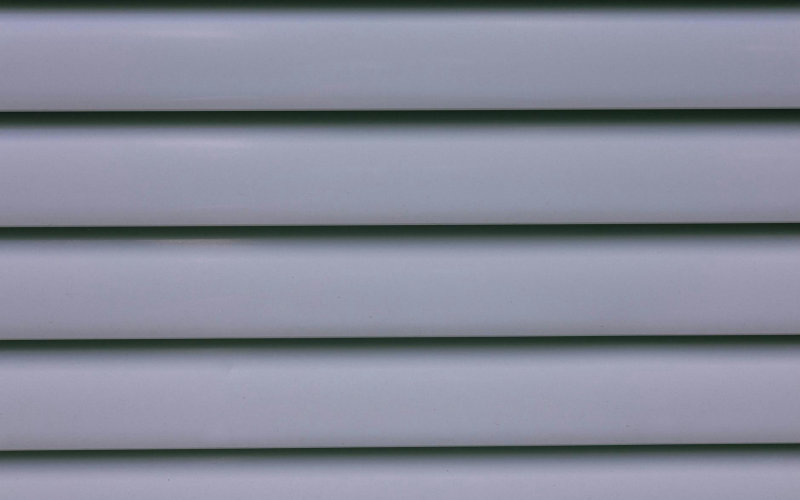

My neighbor rented a pressure washer three summers ago, went absolutely wild on his siding, and cracked two panels near the soffit before he’d even finished the front of the house. Repairs ran him $340. And honestly? It’s not surprising. Pressure washing vinyl is genuinely risky when water gets behind the panels or hits at the wrong angle—most people just don’t figure that out until something’s already broken.
Here’s what I’ve learned after twelve years of home maintenance writing and a few embarrassing experiments on my own 1994 ranch-style house: you don’t need a pressure washer. You need the right cleaner, a soft brush with an extended handle, and a methodical approach. That’s it.
So if you’re searching for how to clean vinyl siding without a pressure washer, you’re actually doing yourself a favor by skipping the machine entirely. Let me walk you through exactly how this works.
What You’ll Actually Need Before You Start
Don’t skip the supply list. Nothing worse than climbing a ladder only to realize you forgot the bucket.
Grab a soft-bristle brush—the Ettore All-Purpose Brush (around $18 at most hardware stores) works well, or any car-wash brush with a pole extension. You’ll also want a bucket, a garden hose with a spray nozzle, rubber gloves, and your cleaning solution. A step ladder and a sponge for stubborn spots are optional but genuinely helpful.
One thing I always keep on hand is a second bucket of clean water. Rinsing your brush frequently means you’re not just spreading grime from one panel to the next.
The Best Cleaning Solutions (Including the Free One)
You don’t need anything fancy here. A simple mix of 1 gallon of warm water and 1/3 cup of laundry detergent—plain Tide or any powder detergent does fine—handles most general dirt and grime. If you’ve got mildew (those gray or black streaks running down from your gutters), add 2/3 cup of trisodium phosphate, or TSP, to that same mix.
For mold specifically, go with a 30% water, 70% white vinegar solution. I’ve used this on the north-facing side of my house where mold is practically a seasonal tradition. Let it sit for 5-10 minutes and it genuinely works within one pass.
Commercial options exist too. Jomax House Cleaner mixed with bleach is something professional painters have recommended to me for heavy jobs. But most of the time, you won’t need to go there.
The Right Way to Work: Bottom to Top, Then Top to Bottom
This sounds backwards. Trust the process anyway.
You wash from the bottom up to prevent streaking—dirty runoff landing on already-dry siding is exactly what causes those ugly drip marks. Then you rinse from the top down so everything flows away cleanly. Counterintuitive, but every pro cleaner I’ve talked to confirms it works.
Work in sections roughly 5-6 feet wide. Wet the section first with your hose, apply your cleaning solution, scrub with a side-to-side motion (not up and down—that forces water up under the panels), then rinse and move on. Keep it methodical.
Dealing With Mildew, Mold, and Stubborn Stains
Mildew is the main villain here. It doesn’t respond to a light scrubbing. You need to give your cleaning solution actual dwell time—spray it on, walk away for five minutes, come back and scrub.
For oxidation (that chalky white residue that shows up on older vinyl, usually siding that’s 15+ years old), you’ll need something slightly more abrasive. A Mr. Clean Magic Eraser does a reasonable job on small areas. For larger stretches, a dedicated vinyl siding cleaner like 30 Seconds Outdoor Cleaner is worth the $20.
Rust stains from metal hardware or irrigation water are a different animal entirely. Oxalic acid cleaner—sold as Bar Keepers Friend or similar products—cuts through rust staining without touching the vinyl itself. Apply it with a sponge, let it sit two minutes, scrub gently, rinse.
How to Handle High or Hard-to-Reach Areas Safely
This is where people make mistakes. Lots of them.
You don’t need to be directly in front of every section to clean it. With a quality pole brush—something like the Unger Professional 48-inch Brush ($35-40)—you can reach 10 to 12 feet from ground level without ever touching a ladder. That covers the first floor and most of the second on a typical two-story home.
For genuinely high sections, use a ladder with a standoff bracket (sometimes called a ladder stabilizer) that hooks over the roof edge and keeps you from leaning directly against the siding. Because leaning a ladder against vinyl can crack or warp it. This happened to me in 2019—didn’t crack the panel, but left a visible dent that took forever to find a matching patch for.
Preventing the Green Stuff From Coming Back
Cleaning is half the job. The other half is making sure you’re not doing this again in four months.
Once your siding is clean and completely dry, consider applying something like Wet & Forget Outdoor, which you dilute and spray on. It works by lowering the surface pH so mold and mildew can’t easily colonize it. You apply it once a year, typically in spring. The manufacturer (an Australian company that’s been selling this formula since the early 1990s) claims it prevents regrowth for up to 12 months—and in my experience, that’s roughly accurate in most climates.
Also, trim back any shrubs or trees that are touching or shading your siding. Moisture and shade are the two conditions mold needs most. Remove one of them and you’ve already cut your cleaning frequency significantly.
Bottom Line
Here’s something I haven’t seen anyone else say plainly: the cleanliness of vinyl siding has more to do with technique and timing than equipment. Most people clean too infrequently—once every few years—and then wonder why one pass doesn’t fix everything. The professionals who get consistently great results are cleaning twice a year, spring and fall, with nothing more powerful than a garden hose and a decent brush. That rhythm prevents the buildup that makes cleaning feel impossible. You’re not fighting years of accumulated grime each time. You’re doing maintenance, not restoration. And that’s the actual secret.
Frequently Asked Questions
Can I use bleach to clean vinyl siding?
Yes, diluted bleach works well for mold and mildew. A safe ratio is 1 cup of bleach per gallon of water. Don’t use straight bleach—it can discolor some vinyl and will definitely kill surrounding plants if it runs off without rinsing.
How long does it take to clean a house by hand?
For an average 1,500 square foot single-story home, budget 3-4 hours including setup and rinse time. Two-story homes can take a full day if you’re working alone.
Will dish soap damage vinyl siding?
Plain dish soap like Dawn is fine for light cleaning. It won’t strip or warp vinyl. Just rinse thoroughly so it doesn’t leave a film that attracts more dirt.
How often should vinyl siding be cleaned?
Twice a year is ideal—once in spring after pollen and debris season, once in fall before winter moisture sets in. Once a year at minimum if your house isn’t heavily shaded.
Photo by Patrick on Pexels

